



The Nigerian Communications Commission (NCC) is set to roll out a major digital security initiative aimed at curbing rising cases of fraud linked to recycled SIM cards.
In a bold cross-sector move, the Commission will launch a Telecoms Identity Risk Management System (TIRMS) — a centralised portal designed to enable financial and security regulators to monitor and track reassigned phone numbers across the country.


According to details contained in an official document, the new platform is expected to go live before the end of March.
Under the arrangement, key regulators including the Central Bank of Nigeria (CBN) and the Securities and Exchange Commission (SEC) will have controlled access to relevant telecoms data, allowing them to verify the status of phone numbers tied to bank accounts, investment profiles, and other sensitive financial services.
Industry stakeholders say the initiative is a strategic response to increasing incidents where fraudsters exploit recycled SIM cards to gain unauthorized access to financial accounts, digital wallets, and confidential communications.
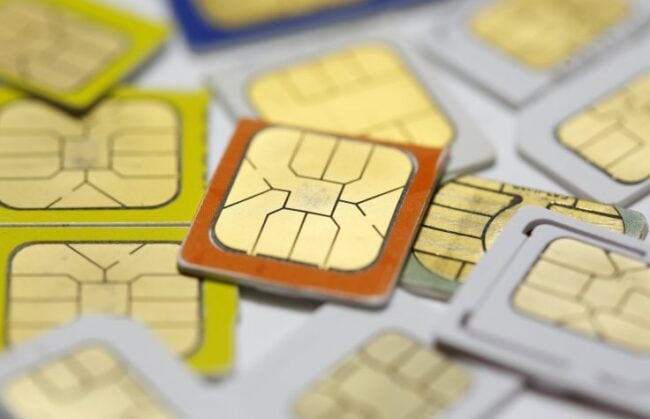
SIM recycling occurs when inactive phone numbers are reassigned to new subscribers — a routine telecom practice that has, however, created vulnerabilities within Nigeria’s fast-growing digital finance ecosystem.
With the TIRMS portal, regulators will be able to detect whether a number has been reassigned and assess associated risks before approving sensitive transactions or onboarding processes.
The development signals deeper collaboration between the telecommunications and financial sectors, as authorities intensify efforts to strengthen consumer protection, cybersecurity, and digital trust.
Observers note that the NCC’s latest intervention could significantly reduce identity-related fraud, boost investor confidence, and reinforce safeguards within Nigeria’s evolving fintech and capital market landscape.
The Commission has yet to formally announce the exact rollout date, but implementation is expected before the close of the first quarter.
About The Author
