


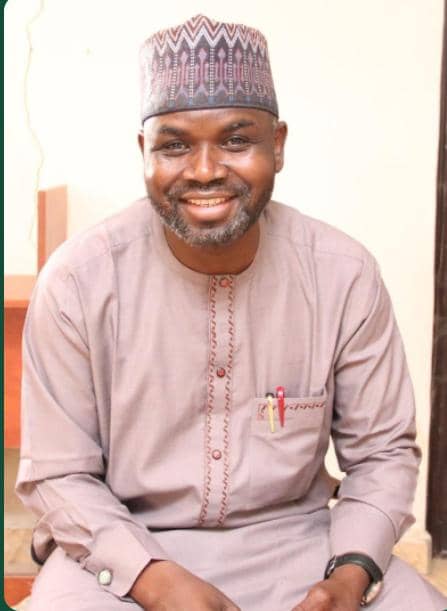

By; Mohammed Kawu, Bauchi
Abubakar Tafawa Balewa University Teaching Hospital (ATBUTH), Bauchi Chief Medical Director Prof. Yusuf Bara Jibrin has expressed delight that intervention of Doctors Without Borders/Médecins Sans Frontières (MSF) has played a key role in sensitizing communities to recognize symptoms of Lassa fever and seek immediate medical attention.


Prof.Yusuf Bata Jibrin who noted that the development has improved treatment outcomes, said that it also highlighted the presence of a molecular and genetic laboratory at ATBUTH, which serves as a major referral testing centre for the six North-East states, as well as Plateau, Benue and Jigawa states.
He said, “We receive samples from about nine states. The number of people coming for testing has increased significantly because of the availability of this laboratory,” pointing out that the hospital similarly operates a dedicated Lassa fever treatment centre where patients are admitted, managed, discharged and followed up.
Briefing journalists in Bauchi on the current Lassa fever situation in the state over the past two months, the CMD explained that following MSF’s sustained intervention in the management of the disease, the doctors have helped many patients facing challenges such as lack of funds and transportation by addressing these barriers through the provision of free services.
The Teaching Hospital Chief Medical Director added, “These three factors, community mobilisation, the molecular laboratory and the Lassa treatment centre, stated clearly why the number of reported cases appears high. We treat only Lassa fever patients in that centre,”
According to him, increased community mobilisation and awareness have improved early presentation of patients at the hospital, saying “Most patients previously came to the hospital very late. But now, due to community education and mobilisation, we are seeing more patients presenting early”.
“Some patients cannot afford transport, feeding or treatment. MSF has taken care of these needs. Drugs, test kits and personal protective equipment are provided free through the Nigeria Centre for Disease Control (NCDC), and patients are not charged,” he said.
Prof Jibrin stated however that late cases usually come when the illness can no longer be managed at the community or family level, emphasizing “As a result, services continue uninterrupted, and we are seeing better outcomes, early discharge of patients and a significant reduction in mortality. Previously, deaths were high, but mortality has dropped remarkably,”
He acknowledged occasional logistical gaps in the supply of drugs and test kits, adding that MSF often intervenes promptly to fill such gaps to prevent service disruption, revealing that MSF supports staffing at the Lassa treatment and clinical trial centres, where over 80 per cent of health workers are supported through MSF stipends.
The CMD described the partnership as being built on three major pillars including a well-equipped laboratory owned by ATBUTH, staff support provided by MSF where gaps exist, and consumables supplied by NCDC and the Federal Government.
Jibrin added that MSF also supports other health interventions in Bauchi State, including malnutrition and diphtheria services in Ganjuwa Local Government Area, with ATBUTH serving as a referral centre under a signed Memorandum of Understanding (MoU).
He also revealed that ATBUTH is preparing to commence clinical trials for new drugs targeting Lassa fever, with MSF as a research partner, stressing “We are going to be the only centre in Northern Nigeria conducting this research, alongside centres in Ondo and Edo states. This is a major step in advancing Lassa fever treatment,” he said.
Professor Jibrin added that Lassa fever remains a growing public health concern due to its transmission from rodents to humans and between humans, emphasizing the importance of sustained collaboration and research to curb the disease.
About The Author
