



By: Abdullahi Inuwa
Political analysts have long observed that Kano State operates on a wavelength markedly different from the rest of the federation. While politics elsewhere often follows predictable rhythms, Kano’s political theatre tends to stretch routine decisions into prolonged spectacles—often at the expense of governance.


The latest episode is the lingering conversation around a possible defection of the state governor to the ruling All Progressives Congress. Since the governor hinted, weeks ago, at such a move, the machinery of governance appears to have slowed, as attention within and outside Government House has shifted almost entirely to decamping permutations, alignments, and counter-alignments.
Ideally, analysts argue, a decision of this magnitude should be settled quietly and conclusively behind closed doors. Necessary consultations with party leaders, stakeholders, and critical blocs ought to precede any public signal. This discreet approach has been successfully deployed in other states, where governors crossed political lines with minimal drama, limited distraction, and little disruption to governance.
In Kano, however, the opposite has played out. The prolonged public speculation has generated avoidable tension, heightened political pressure, and a sense of uncertainty that the state can ill afford. Ministries, departments, and agencies appear caught in a holding pattern, unsure whether to plan for continuity or brace for political realignment.
Observers note that the problem is not the act of defection itself—political mobility is a legitimate feature of democratic practice—but the manner in which the issue has been allowed to linger unresolved in the public space. In a state grappling with pressing socioeconomic challenges, prolonged political suspense risks crowding out policy focus and administrative urgency.
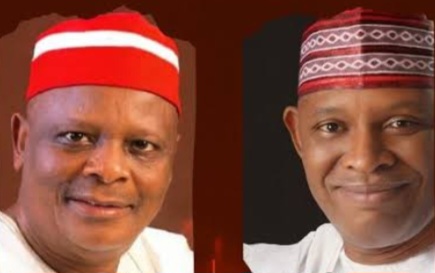
For Abba Kabir Yusuf and his political team, the message from analysts is clear: governance must not become collateral damage in political chess games. Kano’s history, population, and strategic importance demand steady leadership and undivided attention to service delivery.
Ultimately, politics should remain a means to an end—not an end in itself. In Kano, the expectation is simple but urgent: conclude political decisions swiftly, restore calm, and return the full weight of government to the business of governing.
Abdullahi Inuwa
Social Commentator
ainuwa303@gmail.com
About The Author
