


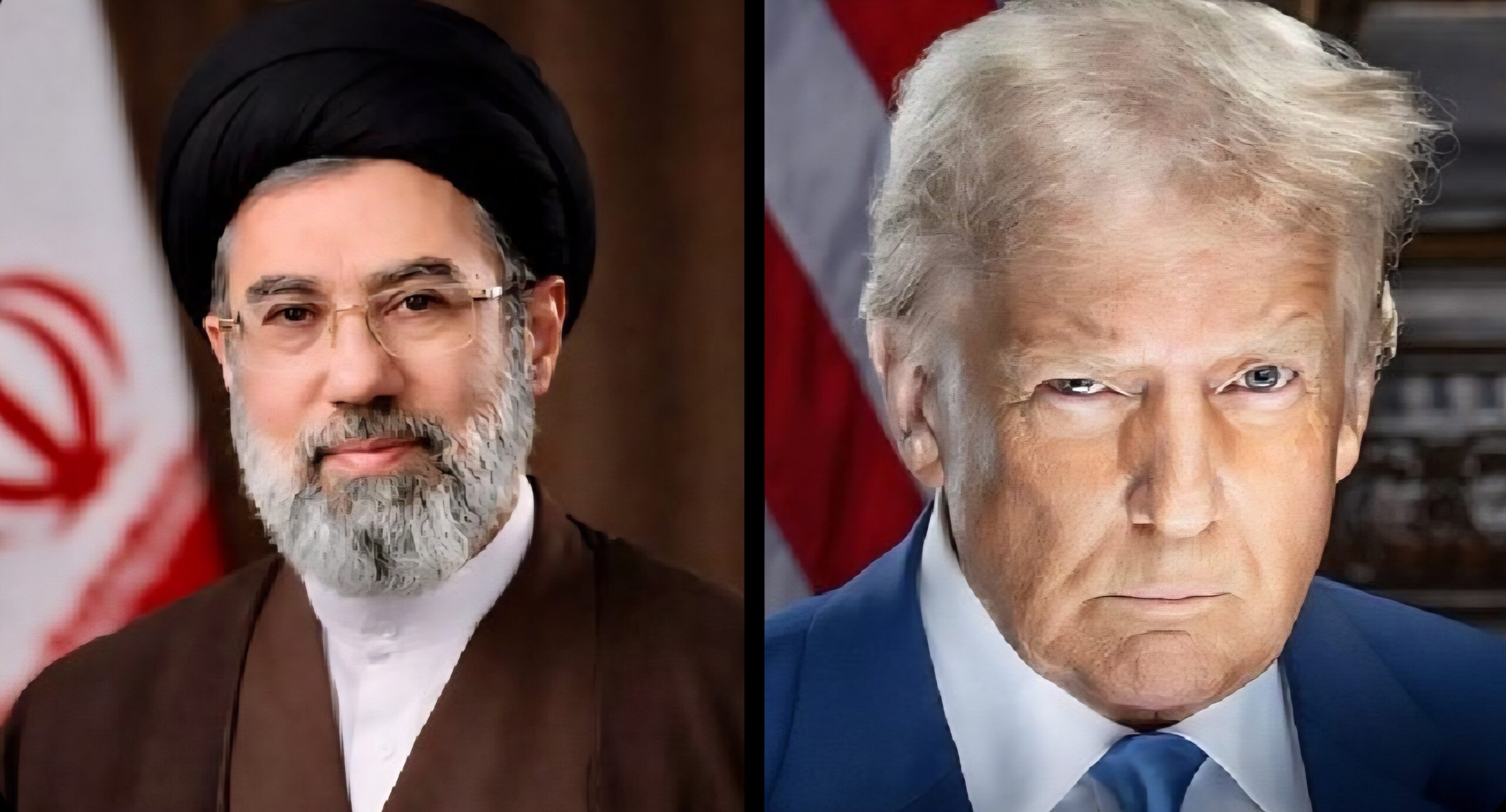

Tensions in the Middle East have escalated sharply as Iran unveiled a sweeping list of six non-negotiable demands it says must be met to bring an end to the ongoing conflict involving United States and Israel.
In a strongly worded declaration, Tehran rejected the idea of a temporary ceasefire, insisting instead on a binding and permanent guarantee that hostilities will never resume.


Among the most controversial demands is the immediate closure of U.S. military bases across the region, a move likely to trigger fierce diplomatic resistance from Washington and its allies.
Iran also called for financial compensation from what it described as “aggressors” for damages suffered during the war, alongside a broader demand to end all ongoing regional conflicts—a proposal that could reshape multiple flashpoints across the Middle East.
In a strategic twist, Tehran is pushing for the creation of a new legal framework governing the Strait of Hormuz, one of the world’s most critical oil transit routes, signaling potential shifts in global energy security dynamics.
The sixth demand raises press freedom concerns, as Iran seeks the prosecution and extradition of individuals linked to what it termed hostile media operations targeting the country.
Analysts warn that the far-reaching conditions may complicate diplomatic efforts, with some describing them as “maximalist demands” that could prolong negotiations rather than resolve them.
As global powers watch closely, the announcement sets the stage for a high-stakes diplomatic showdown that could determine the future of stability in one of the world’s most volatile regions.
About The Author
