


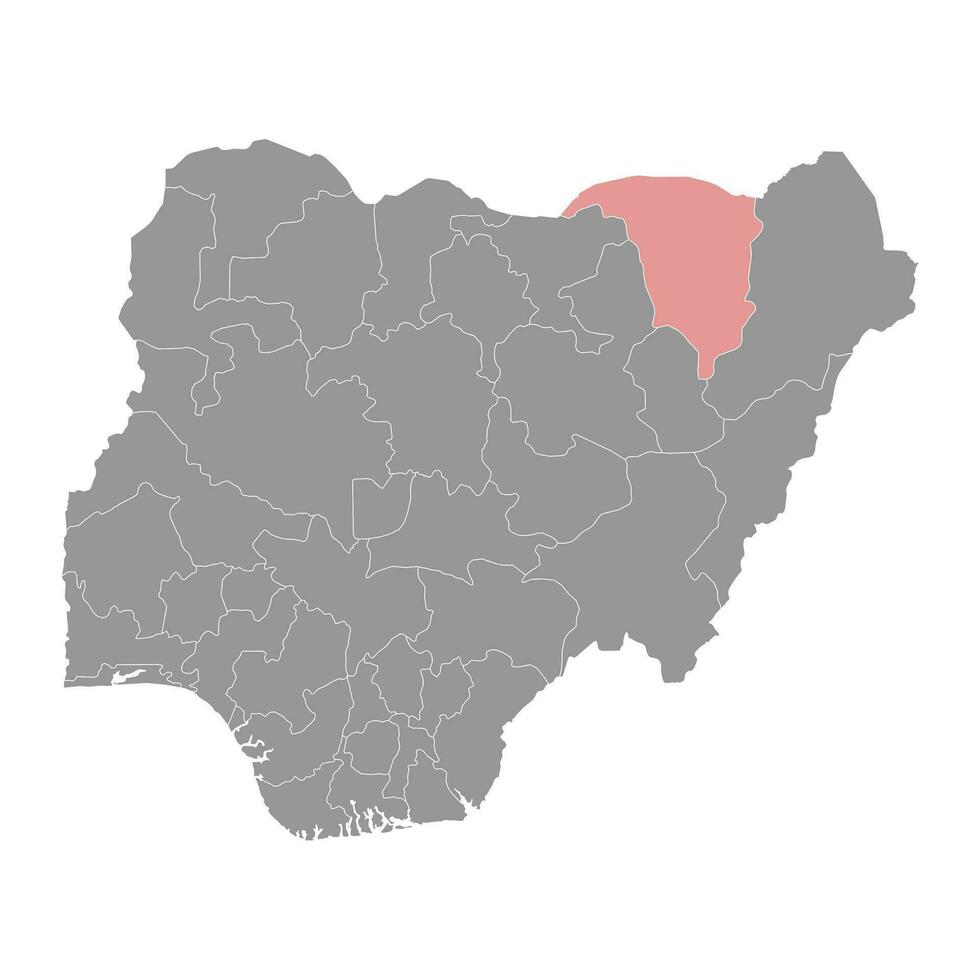

Yobe State in Nigeria’s northeast is in the news again for apparently wrong reason.
Reports of the outcome of a preliminary findings from a Chronic Kidney Disease research conducted by the Biomedical Science Research and Training Centre (BIORTC) have raised serious public health concerns across communities and questioned early responses to epidemic on tne part of the authorities as well as access to healthcare facilities by the masses.


The revelation also exposed an apparent lack of access to portable water supply, a basic necessity the people need to enhance their standard of living.
The research led by the Director of the Biomedical Research and Training Centre, Yobe State University, Damaturu, Prof. Mahmoud Maina revealed the presence of metals such as cadmium, lead, and arsenic were detected in water samples collected from communities across two local government areas of Bade and Jakusko.
The research further revealed that these metals were the cause of rising mortality and morbidity across communities in the two designated local government areas where the major symptoms are chronic kidney diseases.
The lead researcher, Maina buttressed this fact when he said the affected metals are not supposed to be present in the environment under normal conditions and are known to be potential triggers of kidney disease.
“If you find these metals close to your environment, then know that they can result in not only kidney disease but also other conditions like cancer and dementia,” he was quoted to have said.
The expert disclosed that these metals are the major source of contamination in the water residents of the affected communities have been consuming.
It’s noteworthy that most of these communities along the Yobe River have been severely affected by renal failure for decades while also recording high mortality and morbidity rates. So disheartening is the fact that the affected communities have been dealing with the crisis for decades enduring the health challenges it threw up and burying their dead in its wake.
It is more disheartening that their complaints and outcry did not elicit the desired attention and actions despite producing representations at the wards, local government, State House of Assembly, State executive, as well as National Assembly.
Report by a notable national daily revealed the fact that the problem has been lingering while those who are expected to act turned blind eyes to the menace even at the cost of lives of the people they were elected to represent.
“The residents lamented that the disease, which has plagued Gashua and surrounding communities for decades, continues to claim lives despite repeated appeals to authorities for intervention,” the report said.
At the height of concerns raised by the residents are inadequacy of health institutions to deal with the rising health challenge or the lack of them. However, the fundamental issue at the center of the crisis is absence of alternative water sources to meet residents’ daily needs outside that of the Yobe River.
Equally fundamental is the revelation that the aquatic lives from River Yobe which are key sources of protein for the communities and beyond are poisoned by the lead and consumed thereby endangering more lives in the process. The development equally puts the lives of fishermen whose livelihood revolve around the river for sustenance at risk.
Beyond the aquatic lives and the inherent danger their association with lead exposed them to, experts contend that even livestocks which have remained the main preoccupation of the people are endangered because of the contaminated water and grasses they consumed.
This exposure also puts the lives of humans who eat the affected animals at risk if the position of the Nigeria Centre for Disease Control is anything to go by and by extension, the inherent danger goes beyond Yobe State and most likely Nigeria.
“Animals can also be poisoned when they eat grass and drink water contaminated with lead. In regions where animals are exposed to lead, people may continue to be infected from milk and meat products,” the Centre noted.
The CDC’s revelation further exposed the enormity and complexity of the problem at hand. It shows that the exposure now transcends even beyond the Bade, Gashua and Jakusko borders.
It is even possible that those who choose not to act promptly despite being privy of its existence may be victims already; and even if they are not yet, they may not escape it when they return to the affected areas for campaigns ahead of the 2027 general elections.
The CDC’s disclosure indicates such possibility when it says breathing in lead particles is as dangerous as consuming its contaminated water. They will have to brace up for the challenges when they return to the trenches in the coming months.
But it is not too late to act through; the BIORTC revealation although preliminary, should be a call to action to all stakeholders.
Initiated by the state government towards the tail end of the incumbent administration after many lives have been lost, the gesture should be seen as a step towards a holistic measure aimed at halting the menace.
In this wise, a further investigation through BIORTC and partners is required to ascertain the extent of the problem after which a comprehensive solution should be drawn up and diligently implemented.
It is also imperative that while we await further intervention from BIORTC, there is need for the state government and representatives to urgently strengthen healthcare delivery across the affected areas.
It is also pertinent for the state, affected local government authorities as well as elected representatives from the areas to evolve mechanisms towards providing alternative water sources to the people.
Come to think of it, how have the elected represenatives at the state and national assemblies as well as political appointees from the state really impacted their respective constituencies?
Stories are awash about how legislators are competing to use personal resources including salaries and allowances to provide basic amenities for their constituents in other states. Why is Yobe’s situation different? Is borehole construction beyond the capacity of an average legislator even at the state assembly much less those at the national assembly?
Beyond lawmaking, legislators also influence projects to their constituencies. What happened to constituency projects due to individual lawmakers in the national assembly? Why should the people of Bade and Jakusko local government areas depend on untreated water sources like River Yobe when they have representatives who should ordinarily provide the same? These are critical questions that will cross the minds of those who might read water kidney story.
Ironically, in the same Yobe certain public-spirited individuals have been providing water to residents through motorized boreholes from their private pockets. Such individuals have also been impacting on the lives of the people not just where they hailed from, but across the state through various empowerment initiatives, yet those who were elected by the people consistently failed them.
To the electorate, the Bade and Jakusko LGAs situation should be a wakeup call on the need to hold our elected represenatives across all tiers accountable.
It is sad that despite their situation, the electorate still line up under scorching sun and defy the rains to cast their votes to the same category of people who turned blind eyes while their loved ones died from something as basic as portable water. The time to draw the line is now.
Usman Muntari
T/Wada Kaduna
About The Author
