



By:Abdullahi Inuwa
For years, silence replaced bargaining voices across Yobe State. Rusted stalls stood where busy shops once flourished, while weeds covered grounds that had hosted sacks of grain and livestock.


Insurgency did not only take lives and peace, it also suffocated commerce, destroyed livelihoods, and forced entire communities into survival mode.
Today, that painful chapter is giving way to a new and hopeful story.
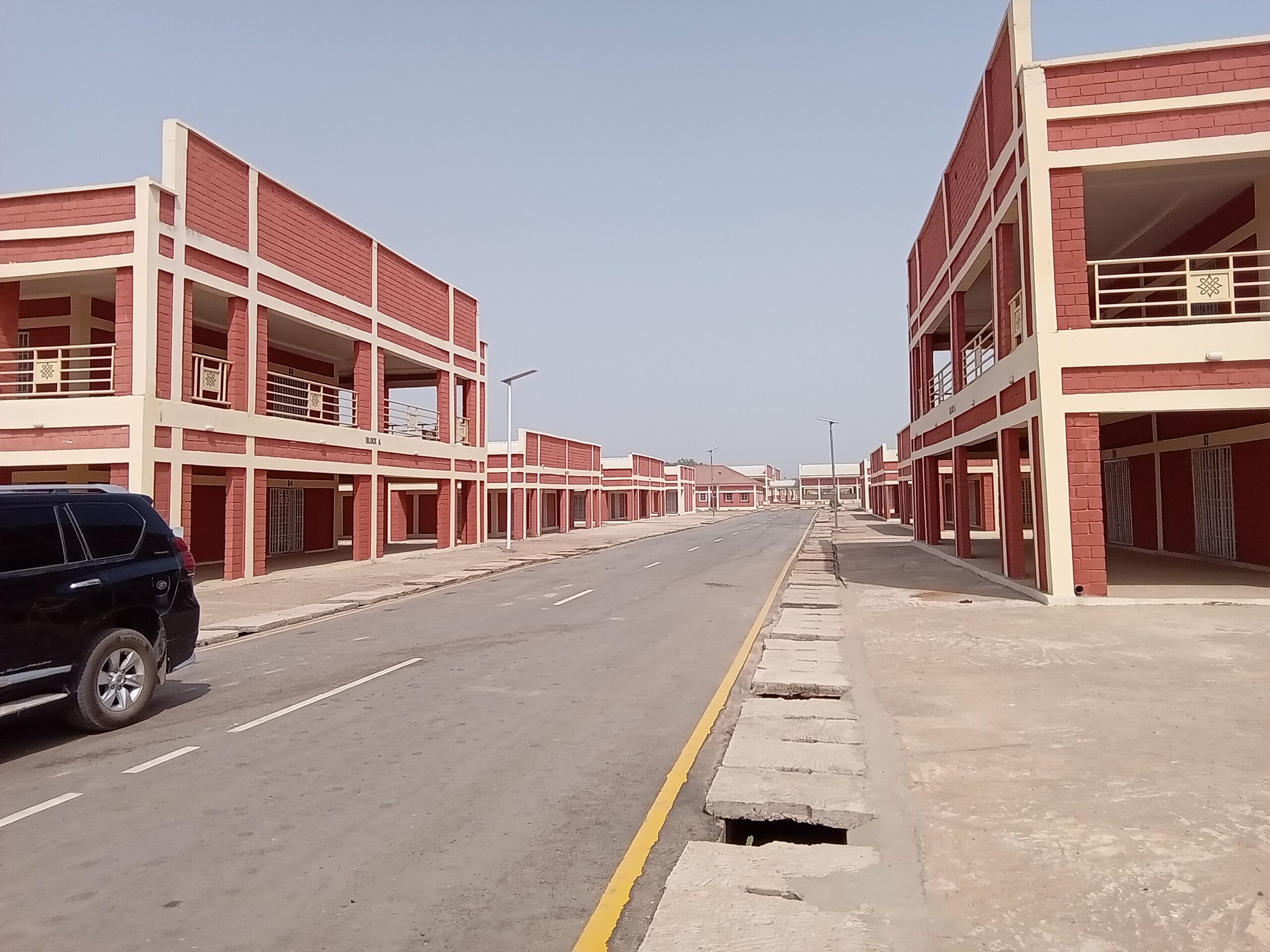
Across towns and border communities, modern markets are reopening and restoring Yobe’s long dormant commercial spirit. From Yunusari to Geidam, Potiskum to Nguru, the sound of padlocks opening and traders calling customers once again defines daily life.
For more than a decade, insecurity paralysed Yobe’s economy. Markets, once the heartbeat of social and economic life, were destroyed, abandoned, or shut down. Farmers could not sell. Traders lost capital. Young people lost jobs. Families became dependent on humanitarian assistance.
But residents say aid could only keep people alive. It could not restore dignity.

The reopening of modern markets is now changing that reality. These markets are not just structures. They are lifelines that return people to work, rebuild confidence, and allow communities to plan beyond tomorrow.
At the Yunusari modern market, excitement is visible on faces and in voices. Shehu Malam Isa, a trader from Shettimari Manmadurin village, described the moment as historic.
“This market will benefit everyone, not just traders,” he said, as buyers moved between the new stalls. “We have wanted this for a long time. We do a lot of business here, but we have never seen anything like this before.”
He recalled how the old market, though crowded with over twenty thousand traders on market days, was small, exposed, and poorly organised.
“Now we have a modern facility where all kinds of business can be done comfortably,” Isa added.
Yunusari’s location near the Niger Republic gives it regional importance.
According to Isa, the new market is already reviving cross border commerce.
“People come here from Niger to buy food items and livestock. We export grains like millet and guinea corn. This market is boosting trade with neighbouring countries again,” he explained.
For traders who once watched borders close and customers disappear, the return of foreign buyers is a strong sign that confidence is returning.
“I hope to secure a shop here. I do not know how allocation will work, but I am hopeful,” Isa said.
Community leaders also see the markets as long awaited answers to prayers. Mallam Baba Goni, speaking for residents of Yunusari, described the project as a turning point for the area.
“This market is a great development. We are very thankful. Our community will benefit greatly, and we look forward to a brighter future,” he said.
According to him, the ripple effects will be wide. Youths will find jobs. Families will earn more income. Communities once forgotten will regain relevance.
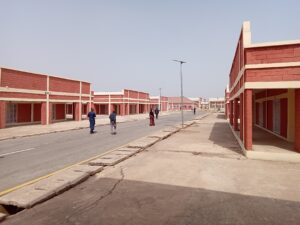
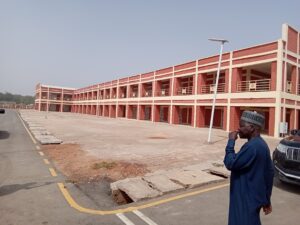
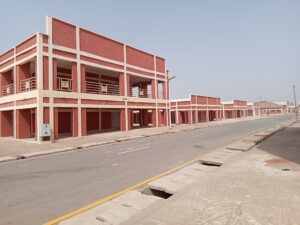
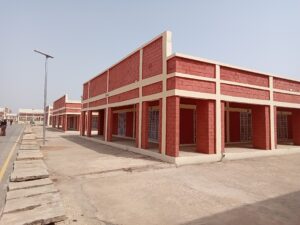
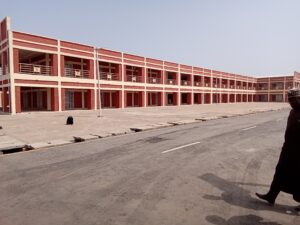
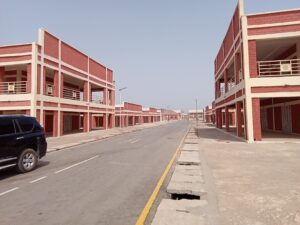
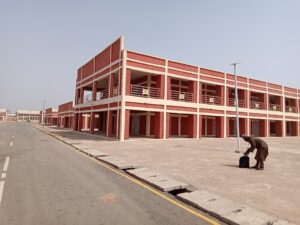
Unlike the old open markets, the new facilities are built for efficiency and expansion. They include modern shops, abattoirs, administrative offices, water facilities, and large parking spaces that can accommodate hundreds of vehicles.
Residents believe this will reduce long distance travel for buying and selling, save time and money, and keep economic activity within local communities
Community leaders have also pledged to protect and maintain the facilities. Baba Goni stressed that collective ownership must come with responsibility.
“This market belongs to all of us. We will take care of it so it serves us for many years,” he said.
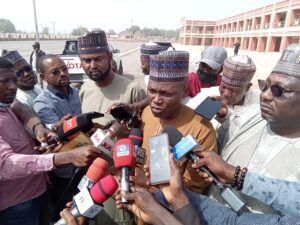
The markets form part of Yobe State Government’s post conflict recovery strategy. During an inspection tour, the Commissioner for Housing and Urban Development, Ahmed Buba Kyari, said the projects are designed to restore livelihoods and stimulate economic growth.
Out of nine markets built across the state, five are ultra modern in Damaturu, Potiskum, Gashua, Nguru, and Geidam, while four modern markets are in Ngalda, Yunusari, Machina, and Buni Yadi.
“These markets are about jobs, dignity, and quality of life,” Kyari said, noting that they will also revive cross border trade with Chad, Cameroon, and Niger.
The Commissioner for Home Affairs, Abdullahi Bego, added that the markets will boost internally generated revenue and position Yobe as a strong player in regional agricultural and livestock trade.
At the centre of this revival is Governor Mai Mala Buni, whose administration has focused on rebuilding both infrastructure and public confidence.
By reopening markets once silenced by fear, the government is betting on prosperity as the strongest shield against instability.
As traders return, stalls fill up, and foreign buyers reappear, Yobe’s markets are once again doing what they have always done best, bringing people together, creating wealth, and turning hardship into opportunity.
In the sound of coins, the call of traders, and the movement of goods, Yobe State sends a clear message. The era of fear is fading, and the age of hope powered by commerce is firmly underway.
Abdullahi Inuwa
Social Commentator
ainuwa303@gmail.com
About The Author
