


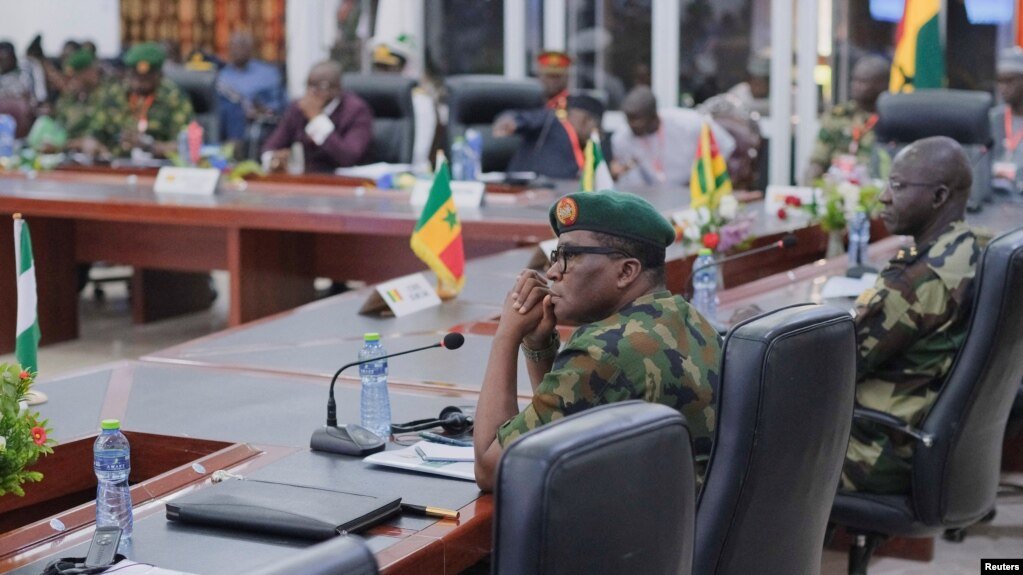

Fresh doubts have emerged over the feasibility of a proposed regional military force by the Economic Community of West African States (ECOWAS), despite renewed commitments by member states to confront rising terrorism across West Africa.
In February, Chiefs of Staff from ECOWAS countries endorsed plans to establish a standby force aimed at tackling insurgency and cross-border threats. The initial blueprint was ambitious — a massive 260,000-strong force backed by an annual budget of $2.5 billion.


However, in what analysts describe as a “reality check,” the proposal has since been drastically scaled down to a 1,650-soldier counter-terrorism brigade expected to serve as the operational core.
Key contributors including Benin, Ivory Coast, The Gambia, Ghana, Nigeria, and Senegal have pledged troops. Under the arrangement, contingents will remain stationed within their home countries, on standby for rapid deployment when needed.
Yet, behind the commitments lies a lingering question: can ECOWAS truly muster the resources and political will to make the force operational?
Security experts point to longstanding challenges — funding gaps, logistical bottlenecks, and coordination difficulties among member states — as recurring obstacles that have stalled similar initiatives in the past.
The evolving nature of threats in the Sahel and coastal West Africa has only heightened the urgency, but also the complexity, of such a joint military effort.
For years, the standby force concept has been revised, downsized, and reimagined, raising concerns that it may once again struggle to move beyond paper promises.
As terrorism continues to spread across the region, the success or failure of this initiative could define ECOWAS’ credibility as a security bloc — and determine whether West Africa can mount a united front against its growing threats.
About The Author
