


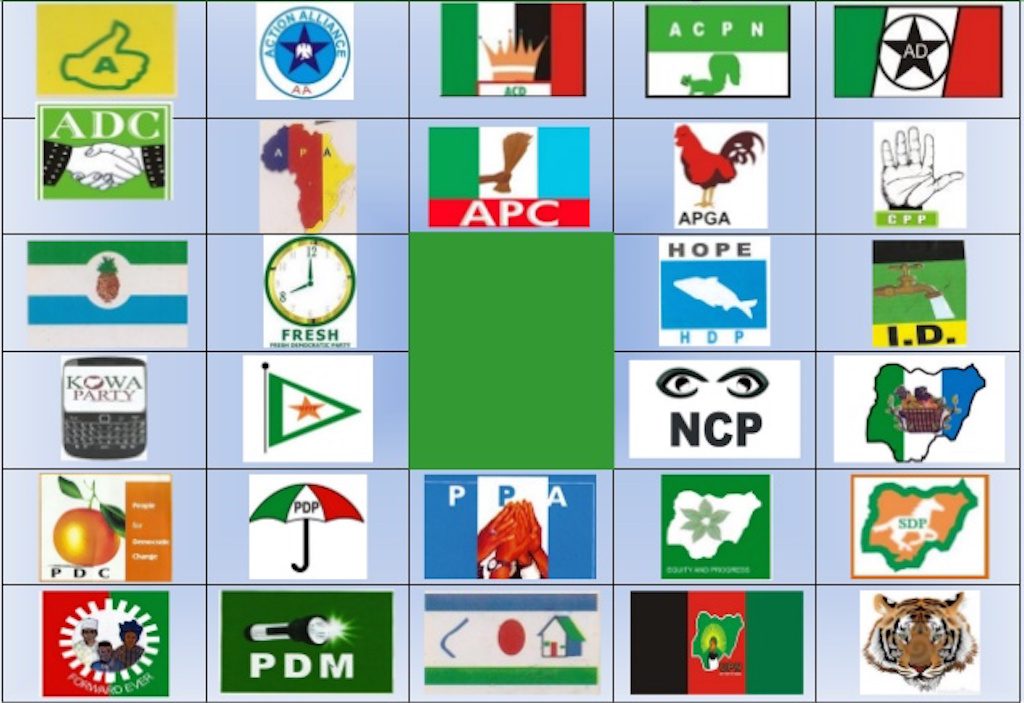

In Nigeria’s high-stakes political theatre, defections have become the season’s loudest headline. Lawmakers, governors and powerbrokers are hopping party lines with the ease of seasoned travellers, leaving the nation to ask: is this political migration a sign of progress—or proof of political convenience?
To admirers, defections are democracy in motion. They argue that politicians trapped in suffocating party structures have every right to seek platforms that reflect their convictions. When parties abandon internal democracy, impose candidates, or lose ideological direction, crossing over becomes not an act of betrayal but a vote of no confidence. In such cases, defections shake complacent parties awake and inject fresh competition into the system.


But here’s the twist: not all exits weaken the parties being abandoned. In fact, some defections turn out to be a blessing in disguise. The departure of domineering figures often frees parties from internal hostage-taking, allowing new leaders to emerge, wounds to heal, and structures to be rebuilt. History shows that some parties have found renewed strength only after shedding their most powerful — and polarising — members.
Critics, however, see a different story unfolding. They describe many defections as political weather-forecasting — a rush toward parties perceived as electorally sunny. These last-minute switches, especially on the eve of elections, are viewed as survival tactics rather than principled stands. The result? Blurred ideologies, weakened party discipline, and voters left guessing what their representatives truly believe in.
For receiving parties, defections can be a double-edged sword. While new entrants bring numbers, influence and resources, they can also import rivalries and egos, threatening internal stability. Meanwhile, the parties they leave behind may suffer momentary shock — only to rebound stronger, leaner, and more united.
Ultimately, defections are neither heroes nor villains of Nigeria’s democracy. They are mirrors, reflecting the health — or sickness — of political parties. As the All Progressives Congress and the People’s Democratic Party trade blows and loyalties, the final verdict lies with the electorate.
In Nigerian politics, crossing the carpet may win headlines — but only the ballot box decides who wins history.
About The Author
