



By: Babagana Bukar Wakil, Maiduguri
A consortium of civil society organisations advocating for improved child education in Borno State has called for strengthened transparency, accountability, and inclusive planning in the implementation of education policies at the grassroots level.


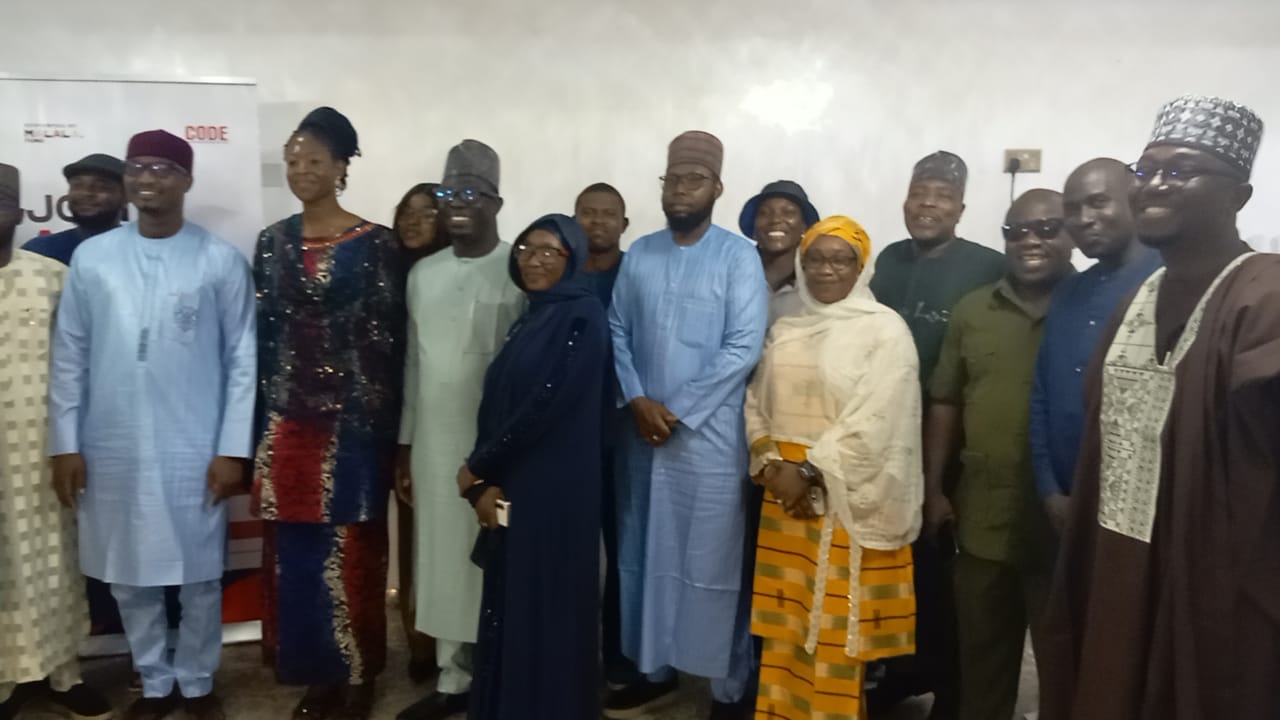
The call was made during a media parley organised under the Joint Action Grant platform supported by the Malala Fund, held at the Amanda Hotel Conference Hall in Maiduguri on Wednesday, April 8, 2026.
The event, which focused on the state of transparency and accountability in Borno State and the implementation of LESOP at the local government level, brought together key stakeholders including development partners, civil society actors and media practitioners to assess progress and challenges in the education sector.
Organisers of the parley included Connected Development, the Centre for Advocacy, Transparency and Accountability Initiative and the Civil Society for Development among others.
Discussions at the forum centred on the Local Education Sector Operational Plan 2025 to 2027, a three year framework designed to rebuild and strengthen education systems in conflict affected communities across Askira Uba, Gubio, Damboa and Mafa local government areas.
Aligned with the Borno State Education Sector Plan 2022 to 2030, the LESOP is aimed at deepening accountability at the grassroots level while promoting community ownership of education interventions.
Stakeholders highlighted key priorities of the plan to include expanding access to education through school reconstruction and reintegration of displaced children, improving the quality of teaching through recruitment and training of teachers as well as provision of modern instructional materials, promoting equity with emphasis on girls education, strengthening infrastructure including classrooms and water facilities and ensuring safety through measures such as school fencing and psychosocial support.
They noted that the plan is responding to critical challenges such as the high number of out of school children, shortage of teachers and learning materials, inadequate water and sanitation facilities as well as the vulnerability of girls, internally displaced persons and other marginalised groups.
Speaking during the parley, the Acting Chief Executive Officer of Connected Development, Hyeladzira James Mshelia, described Nigeria’s out of school children crisis as alarming, noting that the country currently has over 20 million out of school children, the majority of whom are girls.
She attributed the situation to structural barriers including poverty, unsafe learning environments and curricula that are not inclusive.
According to her, the introduction of Gender Responsive Education Sector Planning provides a sustainable pathway to addressing gender disparities in education.
She explained that the framework ensures that policies, planning processes and budgetary allocations are inclusive and responsive to the needs of girls, boys and persons with disabilities, adding that it goes beyond enrolment to ensuring equitable access and quality learning outcomes.
Mshelia stressed that education remains central to national development, warning that failure to address the crisis could weaken the country’s workforce and undermine its commitment to achieving global development goals.
She called on government, civil society organisations, the media and communities to intensify collaboration, noting that transparency and accountability must be collectively driven.
She added that initiatives such as Follow the Money are helping to empower citizens with the information needed to track public spending and demand accountability in the education sector.
Also speaking, the Monitoring and Evaluation Manager of the Centre for Advocacy, Transparency and Accountability Initiative, Ibrahim Sabo, said baseline assessments have been conducted to guide implementation and measure progress under the LESOP framework.
He explained that key indicators include increased education financing, improved access to education particularly for girls and reduction of sociocultural barriers affecting school enrolment and retention.
Sabo identified some of the barriers as early marriage, high rates of out of school children and deteriorated infrastructure in communities such as Damboa and Gubio.
He added that advocacy efforts are ongoing at federal, state and local levels to ensure increased and gender responsive funding for education.
On his part, Benjamin John of the Civil Society for Development emphasised the importance of collaboration among stakeholders in achieving education goals, particularly for vulnerable groups.
He disclosed that the organisation is working in partnership with international organisations including Plan International, Malala Fund, Save the Children and the Norwegian Refugee Council to expand access to education in underserved communities.
John explained that the organisation’s interventions primarily target women and children while also engaging government institutions and communities where necessary.
He identified poverty as a major challenge affecting school enrolment and retention, stressing that addressing economic hardship is critical to improving education outcomes.
He however acknowledged the support of government, noting that collaboration between civil society and public institutions is essential in reaching out of school children.
Stakeholders at the parley also revealed that implementing the LESOP framework across the targeted local government areas will require multi billion naira investments over the next three years, to be sourced from government agencies, development partners and community contributions.
They emphasised that beyond funding, effective utilisation of available resources and strict monitoring mechanisms are critical to achieving results.
Participants called on citizens to actively engage in school management through school based management committees and parent teacher associations, monitor projects in their communities and support initiatives that promote girls education.
The parley ended with a renewed commitment by stakeholders to sustain dialogue, strengthen local capacity and promote transparency in the education sector to ensure that every child has access to quality education.
About The Author
