


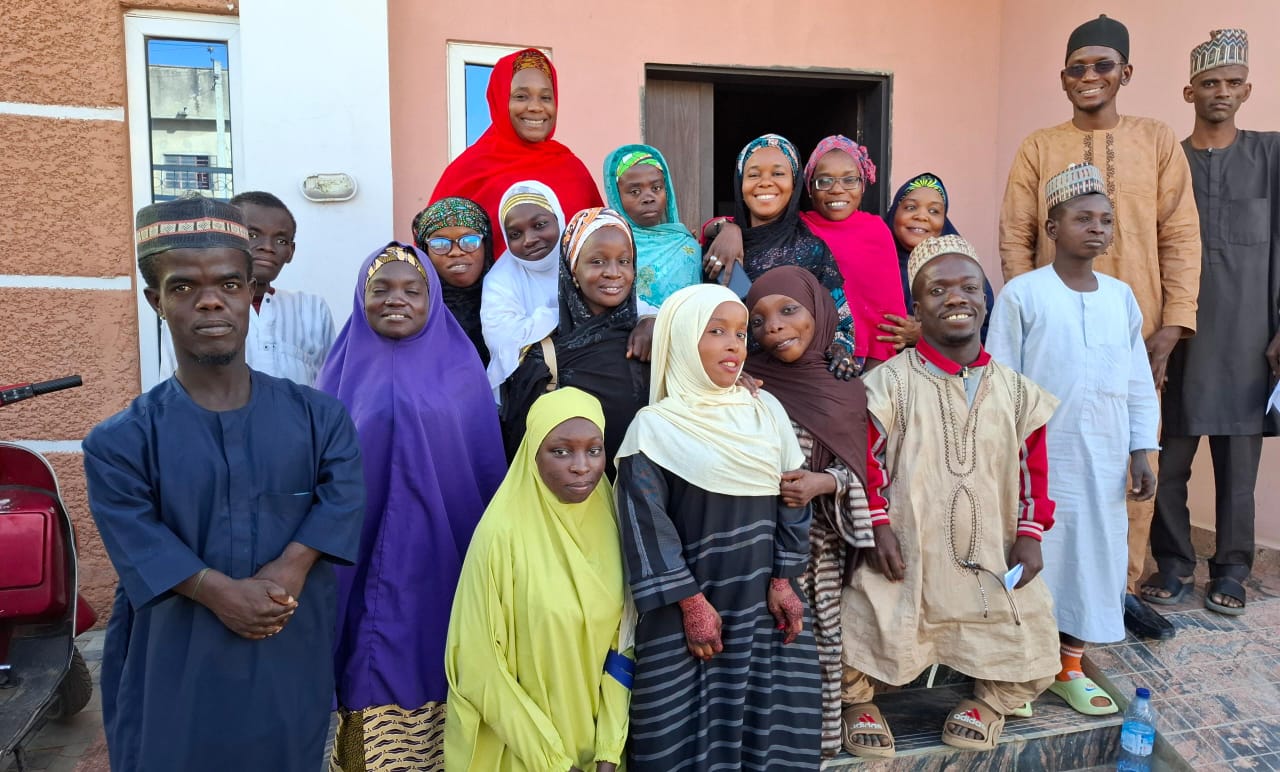

Kano—In a heartfelt push for dignity, inclusion and digital justice, the Centre for Information Technology and Development (CITAD) has concluded a two-day capacity-building training designed to help People with Dwarfism confront harmful narratives, misinformation and online stigma in the digital space.
Held from Saturday to Sunday, the programme equipped participants with practical digital skills, online safety awareness and a clearer understanding of digital rights, empowering them to engage confidently and safely on social media.


Opening the training, CITAD’s Executive Director, Y. Z. Ya’u, represented by Digital Rights Officer Ali Sabo, stressed that inclusive digital empowerment is no longer optional. He noted that People with Dwarfism are too often subjected to online abuse, stereotyping and misrepresentation—barriers that silence voices and limit participation.
“This training helps participants take control of their stories—learning how to use social media safely, understand their rights, and challenge misinformation,” Sabo said, adding that digital platforms, when used responsibly, can be powerful tools for advocacy, visibility and community mobilisation.
Participants were encouraged to share lived experiences, educate the public and counter negative stereotypes—while staying mindful of legal and ethical safeguards that protect online engagement.
One of the facilitators, Buhari Abba, urged attendees to create meaningful, informative content that promotes inclusion. “Digital literacy is key to curbing misinformation and reducing online conflicts,” he said.
Another session, led by Hamza Fagge, unpacked legal protections for Persons with Disabilities, highlighting how disability laws can be used to address discrimination, harassment and rights violations—both online and offline.
Participants described the training as timely and life-changing. Fiddausi Umar said the programme boosted confidence and provided tools to speak out safely against harmful content, while Sani Bello noted that the knowledge gained would strengthen advocacy and help defend rights in digital spaces.
As the sessions closed, one message rang clear: with the right skills and support, every voice belongs online—and every story deserves to be told with respect.
About The Author
