


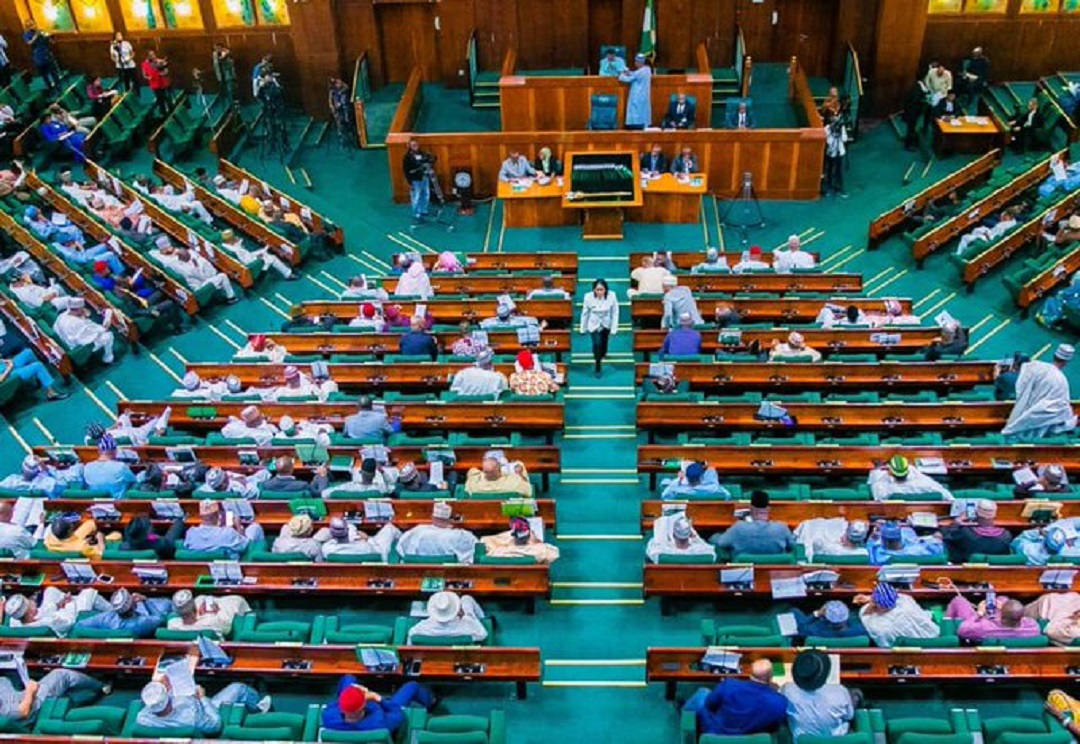

Abuja — In a move that has already sparked nationwide debate, the House of Representatives yesterday approved sweeping amendments to Nigeria’s electoral spending limits, dramatically raising the amount candidates can legally spend in their quest for public office.
The decision, taken during plenary, effectively redraws the financial map of Nigerian politics, doubling and in some cases tripling the ceilings for campaign expenditure across all tiers of elective positions.


Under the new limits, presidential candidates will now be allowed to spend up to ₦10 billion, up from the previous ₦5 billion, while governorship hopefuls can deploy as much as ₦3 billion, compared to the former ₦1 billion cap.
For the National Assembly, the increases are equally striking. Senatorial candidates will now be permitted to spend ₦500 million, a sharp rise from ₦100 million, while those contesting for the House of Representatives can spend up to ₦250 million, up from ₦70 million.
At the state and local levels, the amendments raise the ceiling for State House of Assembly candidates from ₦30 million to ₦100 million, while Local Government chairmanship aspirants will also see their limit jump from ₦30 million to ₦100 million. Councillorship candidates will now be allowed to spend ₦10 million, up from ₦5 million.
In a bid to check excessive influence by wealthy backers, the lawmakers retained a donation ceiling, stipulating that no individual or entity may donate more than ₦500 million to a candidate.
Supporters of the amendment argue that rising campaign costs, inflation, logistics, and the scale of modern political mobilisation made the old limits unrealistic and widely violated in practice. Critics, however, warn that the new thresholds could further entrench money politics, widen inequality in the electoral process, and raise fresh concerns about transparency and accountability.
As Nigeria inches closer to future electoral cycles, the revised spending limits are set to reshape campaign strategies—and intensify the long-running debate over whether democracy in Africa’s largest democracy is becoming increasingly expensive.
About The Author
