


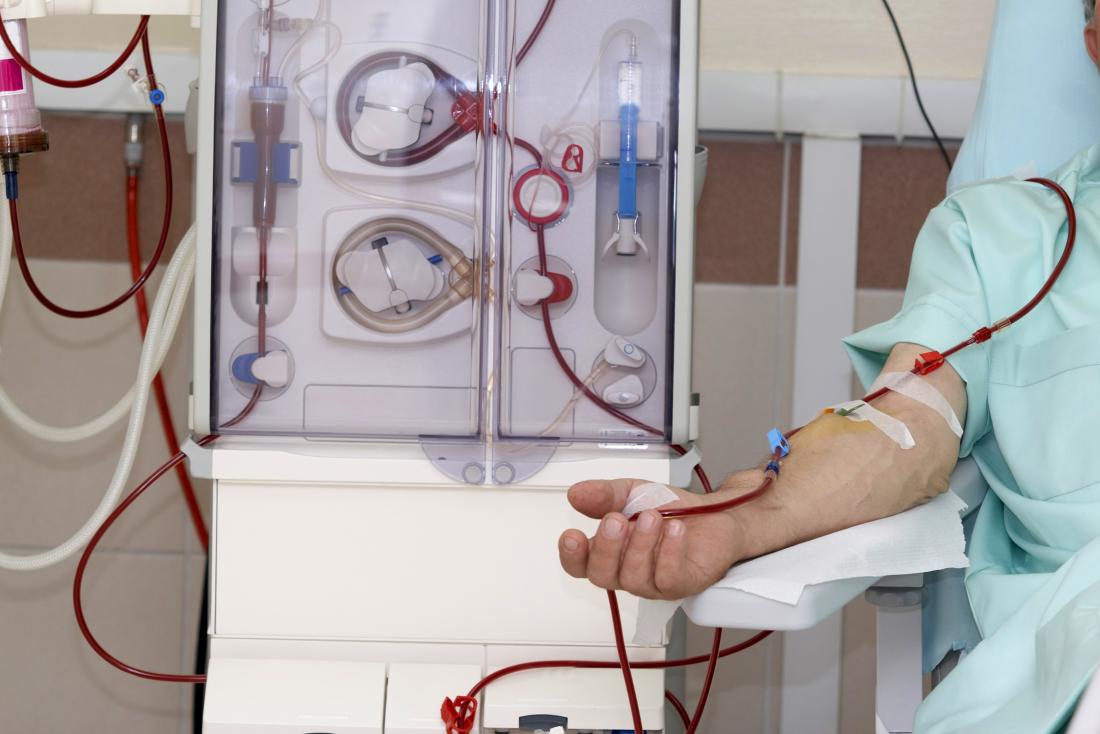

… ONLY 890 DIALYSIS MACHINES NATIONWIDE
By Babagana Bukar Wakil, Maiduguri


Governor Babagana Umara Zulum of Borno State has reaffirmed his administration’s commitment to strengthening kidney care services as experts and policymakers call for urgent reforms to address Nigeria’s rising burden of chronic kidney disease.
The Governor, represented by the Commissioner for Health and Human Services, Professor Baba Mallam Gana, made the commitment while declaring open the 38th Annual General Meeting and Scientific Conference of the Nigerian Association of Nephrology at the Bola Ahmed Tinubu Auditorium of the University of Maiduguri Teaching Hospital.
The conference brought together leading nephrologists, researchers and policymakers from across the country to review the state of kidney health in Nigeria and develop a more sustainable framework for renal care delivery.
In his address, Professor Gana described the conference as timely, particularly for the Northeast where kidney related illnesses are becoming increasingly prevalent. He attributed the trend to prolonged dehydration, misuse of medications, environmental factors, rising non communicable diseases and limited access to specialized kidney services in rural communities.
He outlined key interventions undertaken by the Borno State Government to expand renal services and protect vulnerable patients from catastrophic medical expenses. According to him, the state provided free dialysis services to more than 3,000 kidney patients in the past year, describing it as one of the most comprehensive renal support programmes in Nigeria.
The Commissioner further disclosed that the state government has spent over one billion naira to fund free kidney transplants for Borno indigenes requiring advanced treatment.
Professor Gana said Governor Zulum has directed the Ministry of Health and Human Services to consolidate and expand existing achievements by deploying additional dialysis centres, strengthening diagnostic capacity and scaling up renal services across the state.
He listed ongoing investments in healthcare infrastructure to include the construction of a new Teaching Hospital, the establishment of two Colleges of Nursing, the upgrade of General Hospitals to Specialist status, solar powered kidney care support units funded through a one billion naira donation, and improved rural healthcare networks to enhance accessibility.
The Commissioner stressed that treatment alone cannot sufficiently address the growing burden of kidney disease. He urged residents to adopt healthier lifestyles, stay adequately hydrated, avoid indiscriminate use of medications and seek early medical evaluation when symptoms arise.
Prevention, he noted, remains the most cost effective and sustainable strategy.
Earlier, delivering a keynote lecture titled Kidney Health in a Resource Limited Environment Addressing Challenges and Building Resilience, Professor Aminu K. Bello highlighted persistent structural and systemic challenges affecting kidney care in Nigeria. He identified limited diagnostic capacity, late detection of kidney dysfunction, inadequate preventive strategies, financial barriers and a shortage of specialized renal care professionals as major contributors to the increasing prevalence of kidney disease.
Professor Bello emphasized that sustainable progress requires coordinated support from government, health institutions, development partners and communities, noting that7 kidney health must be driven not only by treatment but also by prevention, research and early detection.
In his remarks, the Chairman of the Nigerian Association of Nephrology, Professor Olugbenga Awobusuyi, said the annual conference serves as a platform for doctors, nurses, technicians and other renal care professionals to exchange ideas on emerging trends, best practices and research findings.
He expressed concern over Nigeria’s limited renal care infrastructure, revealing that only 890 dialysis machines are currently functional across 125 health institutions nationwide. He added that approximately 11 percent of Nigerians, about one in every ten people, are living with chronic kidney disease.
Professor Awobusuyi called for urgent national investment in prevention, treatment and research to curb the growing health and economic impact of the disease.
Also speaking, the Deputy Chief Medical Advisory Committee Clinical Services of the University of Maiduguri Teaching Hospital, Professor Farouk Buba, who represented the Chief Medical Director, reaffirmed the hospital’s commitment to supporting nephrologists and strengthening renal services. He noted that the hospital has distinguished itself in the region through its successful kidney transplant programme and other specialized interventions.
Similarly, the Deputy Vice Chancellor Academic of the University of Maiduguri, Professor Baba Gana Bako, emphasized the institution’s dedication to advancing research, clinical excellence and community based healthcare services.
Chairman of the Local Organising Committee, Professor Ibrahim Ummate, said the conference would equip participants with deeper insights into prevention strategies, improved clinical management, expanded research and stronger partnerships with government and development stakeholders.
He added that the Association plans to launch advocacy and media campaigns at the end of the conference to help reduce the rising prevalence of kidney disease across Nigeria.
About The Author
