


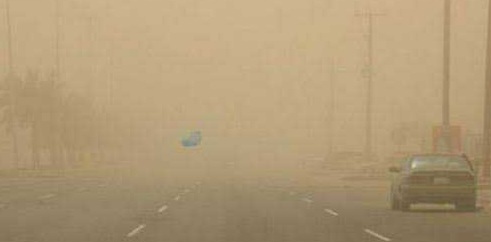

Residents of Abuja woke up on Sunday morning to an unusual and unsettling atmosphere, as thick fog, dusty air and a pungent smell enveloped Nigeria’s capital, triggering widespread discomfort and fresh concerns over air quality and public health.
For many early risers heading to church and other activities, the change was immediate and alarming. The air felt heavy, visibility was poor, and residents complained of peppery sensations in their eyes, burning throats and difficulty breathing.


“I could hardly see a few metres ahead, and my eyes started itching almost instantly,” one resident said. “The smell was strange, and breathing wasn’t comfortable at all.”
What Caused the Sudden Change?
Experts attribute the phenomenon to dry-season weather patterns, particularly the harmattan effect—dust-laden winds blowing southward from the Sahara Desert. These winds often carry fine sand particles, smoke and other pollutants, significantly reducing air quality and visibility.
Environmental analysts say the suspended particles can linger in the atmosphere, creating the foggy appearance and unpleasant odour experienced across parts of the city.
Health Risks Raise Alarm
Medical experts warn that inhaling dusty and polluted air poses serious health risks, especially for children, the elderly and people with asthma or other respiratory conditions.
According to doctors, fine dust particles can irritate the lungs, throat, eyes and skin, worsening breathing difficulties and triggering coughing, chest tightness and eye irritation.
“People with existing breathing problems should be particularly cautious,” a health professional advised. “This kind of air can aggravate symptoms and lead to complications if exposure is prolonged.”
Precautions Residents Are Advised to Take
Health experts are urging residents to limit outdoor activities where possible, keep doors and windows closed, drink plenty of water to keep the throat and lungs hydrated, and seek medical attention if symptoms persist.
For now, Abuja residents can only hope for clearer skies and fresher air in the days ahead, as many brace themselves for more dusty mornings typical of the harmattan season.
Source:@CharlesAlfa
About The Author
