


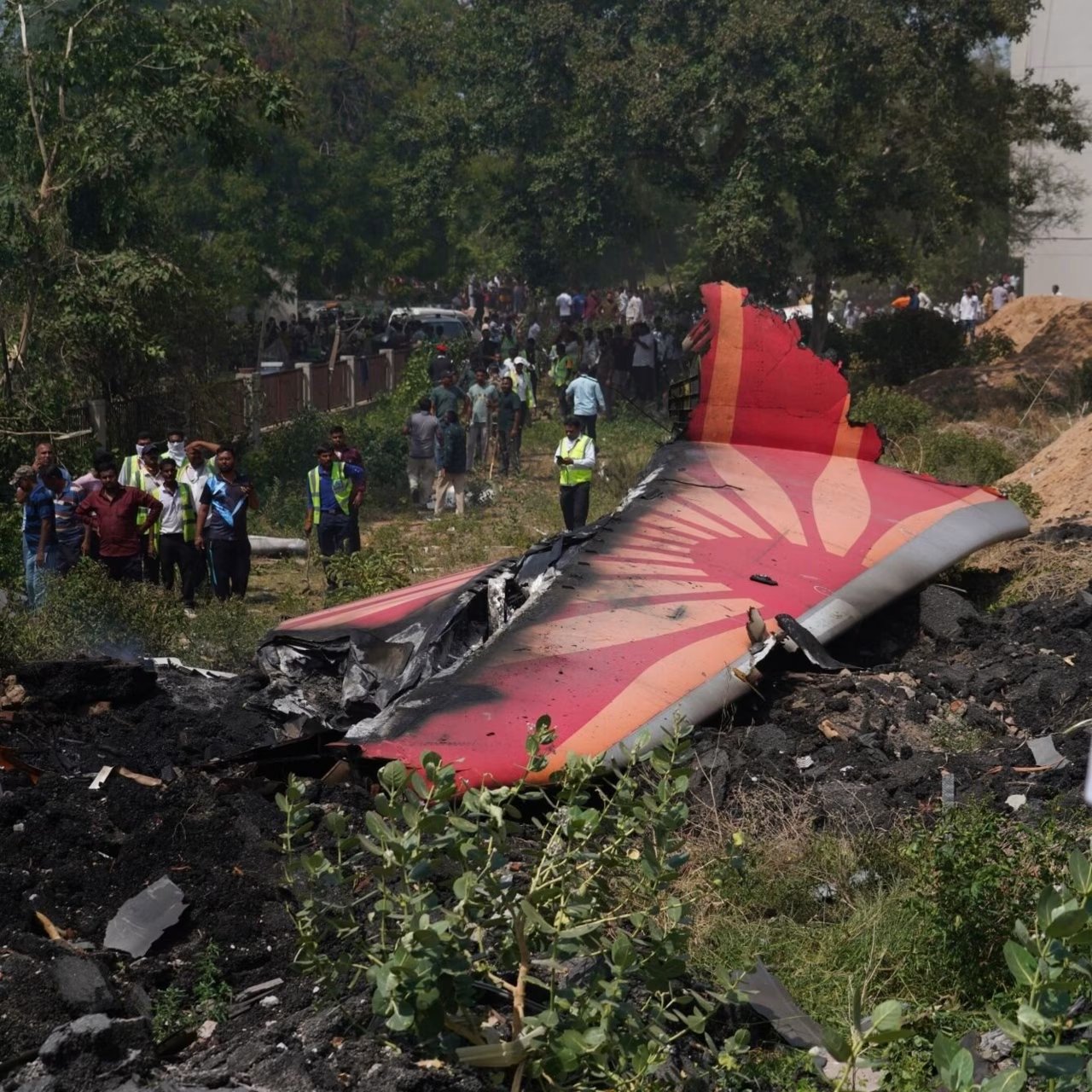

A preliminary investigation into the crash of Air India Flight AI-171 has revealed a shocking sequence of events: the aircraft went down just 32 seconds after takeoff after both engine fuel control switches were moved from RUN to CUTOFF, starving the engines of fuel moments after liftoff.
According to investigators, there was no mechanical failure found in the aircraft.


Instead, early findings show the fuel control switches were moved sequentially — about one second apart — abruptly shutting down both engines at a critical stage of flight.
The aircraft had barely climbed away from the runway when the switches were flipped, cutting off fuel supply and causing a rapid loss of thrust.
Aviation experts note that during the initial climb phase, aircraft are at their most vulnerable due to low altitude and limited time to respond to emergencies.
Roughly 10 seconds after the shutdown, the switches were reportedly moved back to RUN, triggering an automatic engine restart attempt.
However, investigators say the aircraft was already too low and had lost too much airspeed to recover.
Cockpit voice recordings reportedly captured a moment of confusion in the flight deck. One pilot was heard asking, “Why did you cut off?” while the other responded, “I did not do so.”
The exchange has intensified scrutiny over cockpit procedures and the circumstances under which the switches were moved.
Aviation analysts explain that engine fuel control switches are critical controls designed to regulate fuel flow.
Moving them to CUTOFF during flight effectively shuts down the engines — an action typically reserved for ground operations or specific emergency scenarios.
The fact that the switches were moved sequentially rather than simultaneously has raised further questions for investigators.
Authorities are now examining cockpit procedures, human factors, and operational protocols as part of the ongoing inquiry.
The preliminary report stops short of assigning blame, emphasizing that investigations remain active and comprehensive.
Air India has pledged full cooperation with aviation authorities and expressed condolences to the families affected by the crash.
As the probe continues, the 32-second timeline is emerging as the central focus — a narrow window in which two critical switch movements altered the fate of Flight AI-171.
The final report is expected to provide deeper insight into what investigators are calling one of the most perplexing takeoff-phase incidents in recent aviation history.
About The Author
