


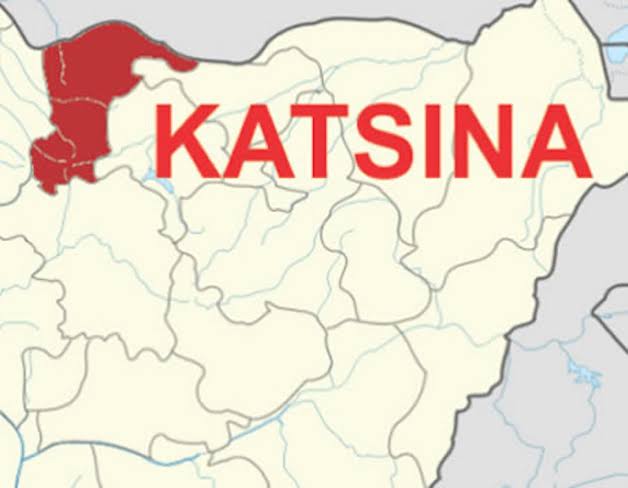

A deadly clash in Katsina State’s Jibia Local Government Area has left at least 15 people dead, prompting swift intervention by security forces who have now restored order in the troubled communities.
The Katsina State Ministry of Internal Security and Home Affairs confirmed that the violence erupted on March 17, 2026, in Falale and Kadobe villages, following a confrontation involving local vigilantes and suspected repentant bandits.


According to the statement signed by Commissioner Nasir Mu’azu, the initial encounter led to the death of three individuals, but quickly escalated into a cycle of reprisal attacks that claimed more lives across the affected communities.
Security agencies, including the Nigeria Police Force, Department of State Services, Civilian Watch groups, and local community leaders, were immediately deployed to the area, successfully containing the violence and preventing further casualties.
Authorities described the coordinated response as a testament to the strength of ongoing security collaboration and community engagement in the state.
Residents have been urged to remain calm and allow investigations to run their course, as the government reassured affected families of its commitment to justice.
“We understand the pain and loss suffered by the victims’ families. We are determined to ensure that those responsible are held accountable,” the statement said.
The development comes amid renewed assurances from Governor Dikko Umaru Radda that his administration remains unwavering in its mission to secure lives and property across Katsina.
Officials noted that Jibia had enjoyed relative peace for over a year due to sustained security strategies, making the latest incident a setback authorities are keen to address decisively.
The government further called on residents to support security agencies with timely intelligence, stressing that community cooperation remains vital in preventing future outbreaks of violence.
As investigations continue, authorities insist that restoring lasting peace in Katsina remains non-negotiable, even in the face of emerging security challenges.
About The Author
